
Creating value
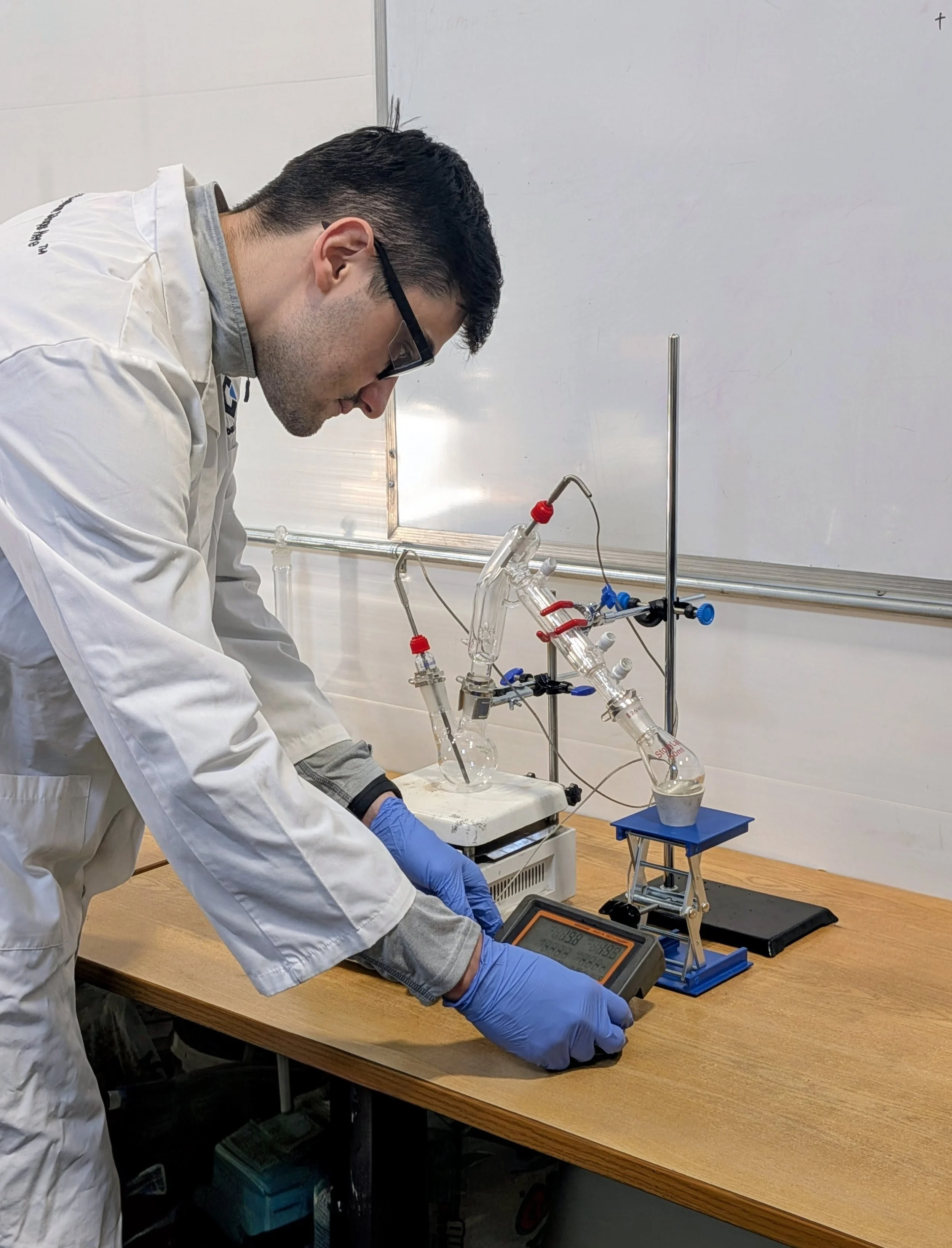
We produce specialized biocarbon materials for applications in agriculture, construction, mining, remediation and green infrastructure projects.
-
When added to soils, biocarbon helps improve soil health, nutrient efficiency, and resilience while storing carbon durably in agricultural systems.
-
When incorporated into concrete, asphalt, and other materials, biocarbon helps maintain performance while reducing the carbon intensity of the built environment.
-
When used in mining and remediation projects, biocarbon helps stabilize soils, manage heavy metals and contaminants, and support the restoration of disturbed land.
-
Our biocarbon research and business development teams are working with researchers in a range of industries, developing specialized biocarbon materials specific to their needs.
Specialized Biocarbon
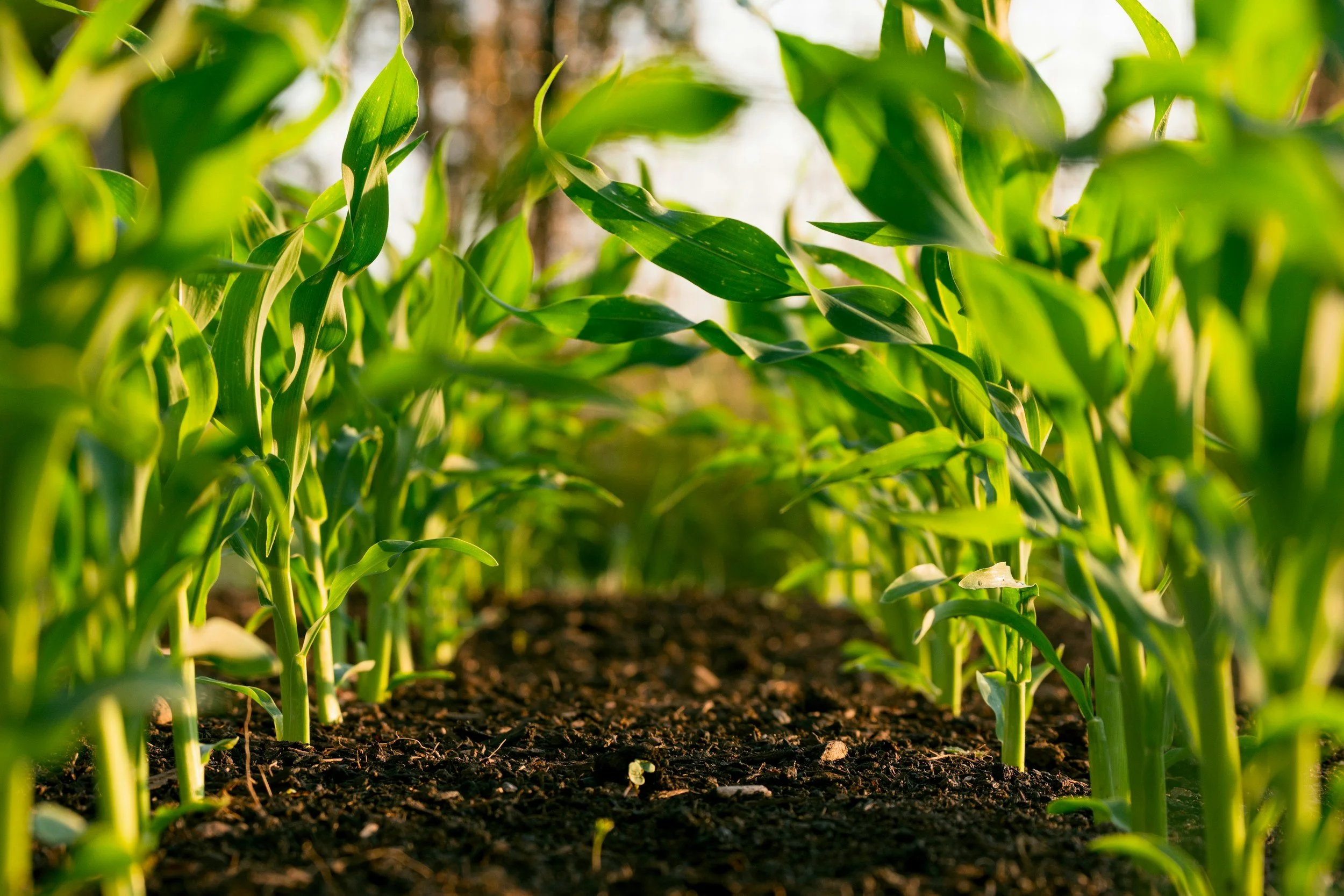


SoilChar™
When adds to soils, biochar can help improve soil health, nutrient efficiency, water retention and climate resilience, all while storing carbon durably in agricultural soils.
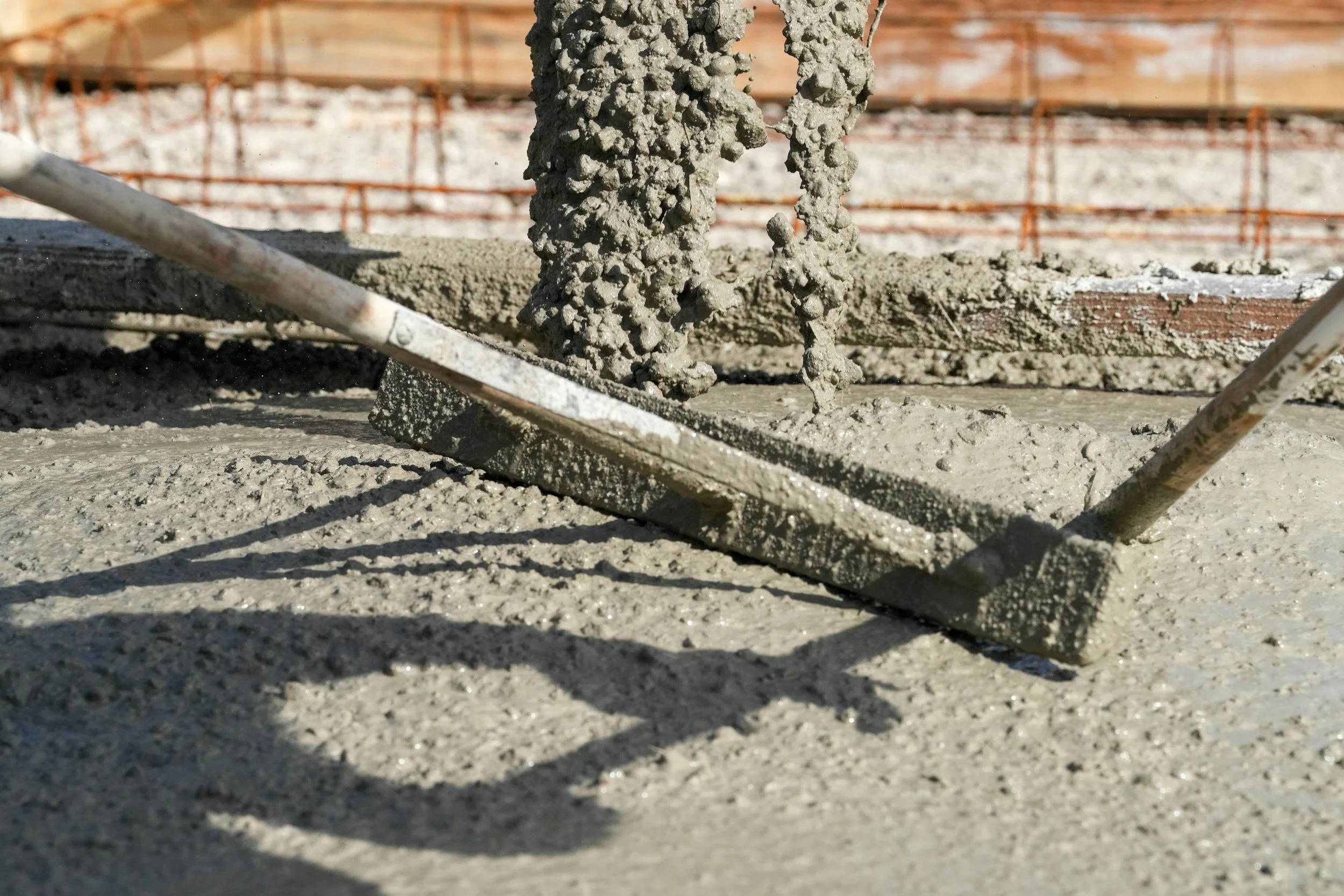
ConcreteChar™
Replacing cement in concrete with biocarbon helps maintain performance while reducing embodied carbon in construction and infrastructure materials.
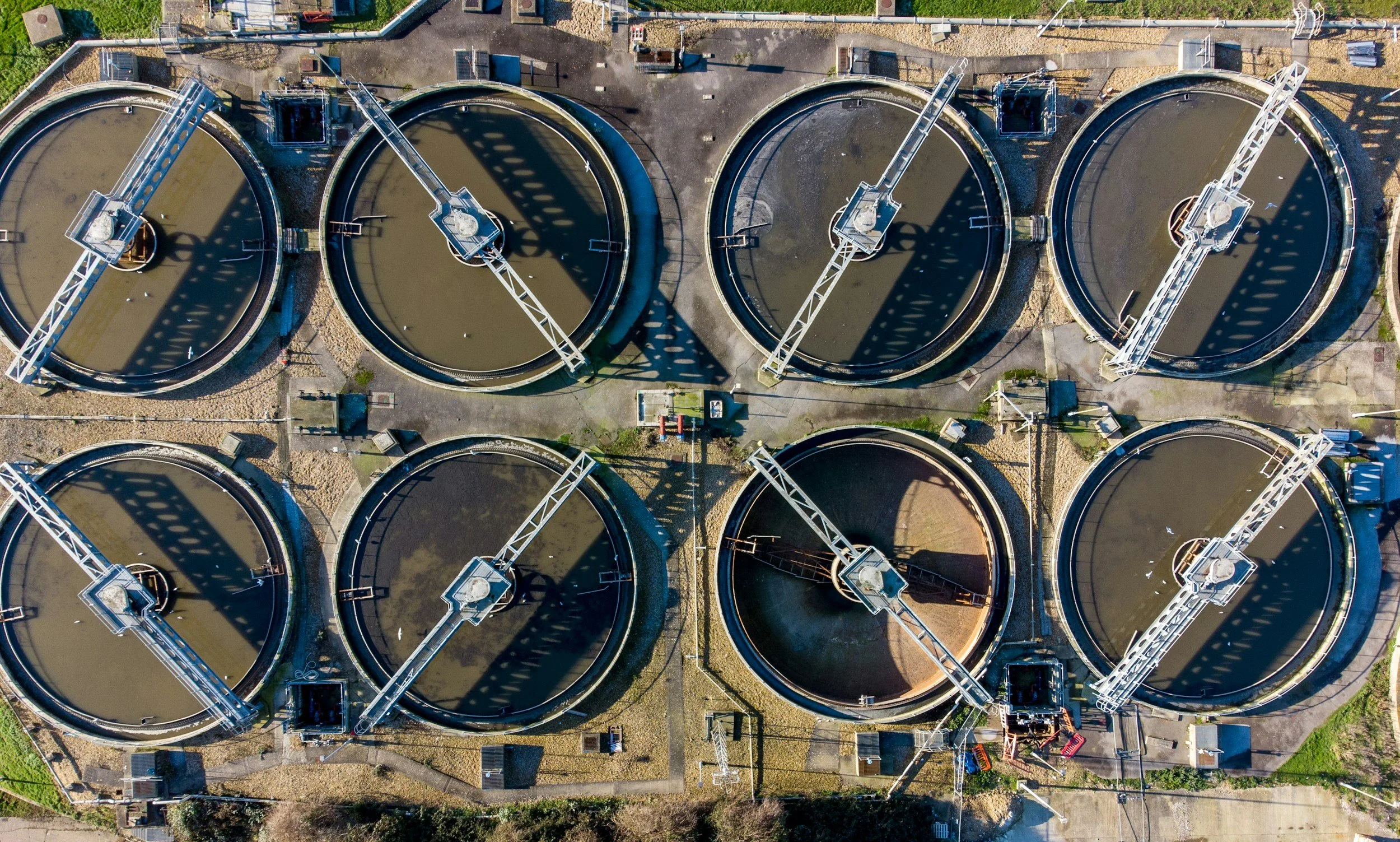
FilterChar™
When used as a filtration medium, biocarbon is able to adsorb contaminants, nutrients, and pollutants from water systems and industrial wastewater.
RemediChar™
A specialized form of biocarbon, this material can help stabilize soils and immobilize contaminants to clean tailings ponds and support land restoration and environmental remediation projects.
LandfillChar™
When added to landfills, biocarbon produced from municipal waste helps reduce methane emissions, noxious odors, scavengers and groundwater leachate.
BioBitumen™
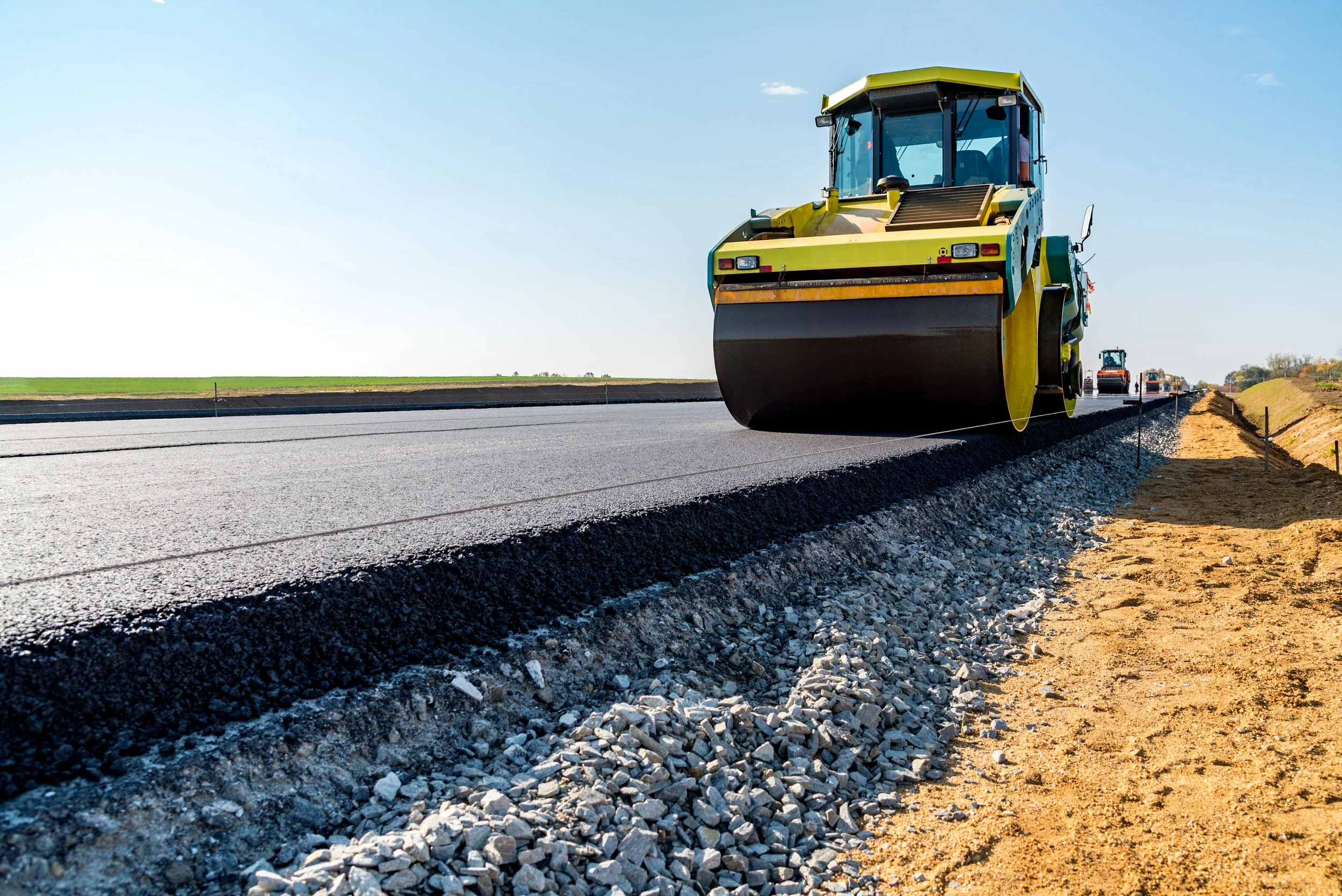
Our pyrolytic conversion technologies also produce a liquid output, which we are researching as a low-carbon replacement for bitumen in asphalt roadways.
Questions and Answers
-
Biocarbon is a stable, carbon‑rich material produced by heating biomass without oxygen, locking away biogenic carbon while creating valuable products for use across multiple industries.
-
Biocarbon can be produced from a wide range of biomass and organic waste, including agricultural residues, food waste, forestry by‑products, yard waste, biosolids, and other locally available organic materials.
-
Biocarbon is valuable to agriculture, construction, mining, remediation, filtration, infrastructure, and materials markets, where it improves performance, reduces emissions, and provides long‑term carbon storage.
-
We tailor biocarbon to various applications by adjusting feedstocks and processing conditions to control structure, surface area, and chemistry, producing materials optimized for specific functions and performance requirements.
-
Carbon dioxide in the atmosphere is removed through photosynthesis, storing carbon in plant matter. We source plant matter as biomass and organic waste and “lock” the carbon through our pyrolytic reactor technology.
-
Our biocarbon outputs have a very low hydrogen to oxygen ratio, which is a valid and reliable indicator of long-term stabilty.